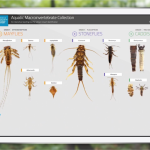
Marti Louw. Macroinvertebrates.org addresses the taxonomic ID bottleneck in citizen science with a new kind of online teaching collection that aims to scaffold observational skill development, increase engagement and accuracy in water quality biomonitoring. Project: Learning to See, Seeing to Learn This is a station in the Cyberlearning 2016 Gallery Walk.
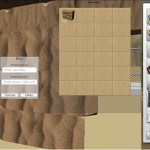
Fengfeng Ke. This poster will demonstrate Earthquake Rebuild, a 3D epistemic simulation game that aims to promote active math learning for middle-school students. Project: Earthquake Rebuild: Mathematical Thinking and Learning via Architectural Design and Modeling This is a station in the Cyberlearning 2016 Gallery Walk.

Nirit Glazer. The goal of PlayFlu by Gulliver Innovative Learning is to EDUCATE kids and parents about the BENEFITS of vaccinations in order to INCREASE vaccination rates in our community. Project: Gulliver Innovative Learning This is a station in the Cyberlearning 2016 Gallery Walk.
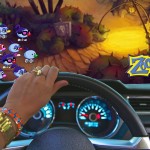
Teon Edwards. We’re building and researching prototype data visualizations, online community tools, and other resources to help teachers bridge between students’ free-choice game play of Zoombinis and the classroom. Check out what we’ve learned and what we plan. Project: Taking Games to School This is a station in the Cyberlearning 2016 Gallery Walk.
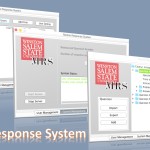
Mohammad Fuad. Mobile Response System (MRS) provides faculty with the opportunity of evidence-based teaching by allowing students with interactive exercises with different learning outcomes and by getting an instant feedback on their performance and mental models. Project: Mobile Response System This is a station in the Cyberlearning 2016 Gallery Walk.
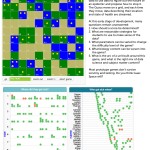
William Finzer. The defining characteristics of a data science game are: a game is embedded in a data analysis environment; data from the game flow seamlessly into the surrounding environment; and high scores in the game can only be achieved through data modeling. Project: Data Science Games This is a station in the Cyberlearning 2016 […]
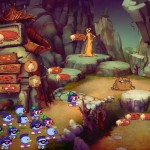
Jodi Asbell-Clarke. We will discuss the methods we use to measure implicit understandings of physics and computational thinking in games. We will show examples of the games and describe the learning analytics and findings. Project: Implicit STEM Learning in Games (multiple grants) This is a station in the Cyberlearning 2016 Gallery Walk.
